If you’re looking for a destination where nature and history come together in a stunning display of landscapes and experiences, Camiguin is the place to be. Known as the “Island Born of Fire,” Camiguin is a volcanic island with hidden treasures at every turn. From pristine white sandbars to lush waterfalls, ancient ruins, and historic landmarks, the island offers a perfect blend of relaxation and adventure. Here’s a detailed account of my unforgettable journey in Camiguin.
Day 1: Arrival and Discovering White Island
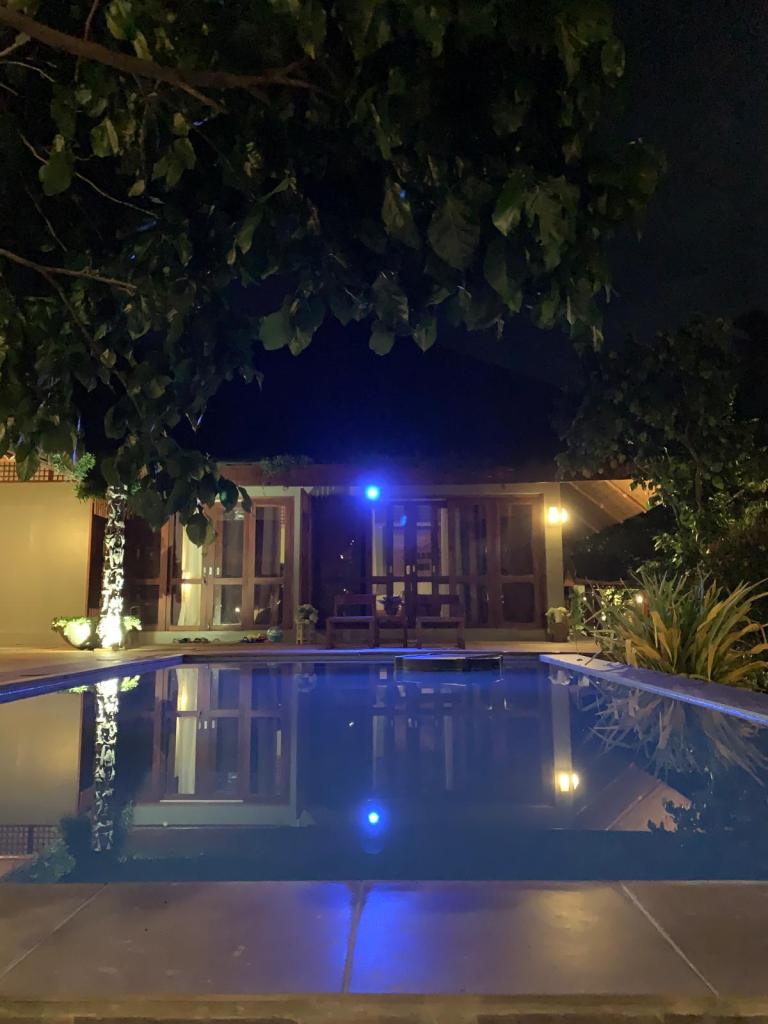
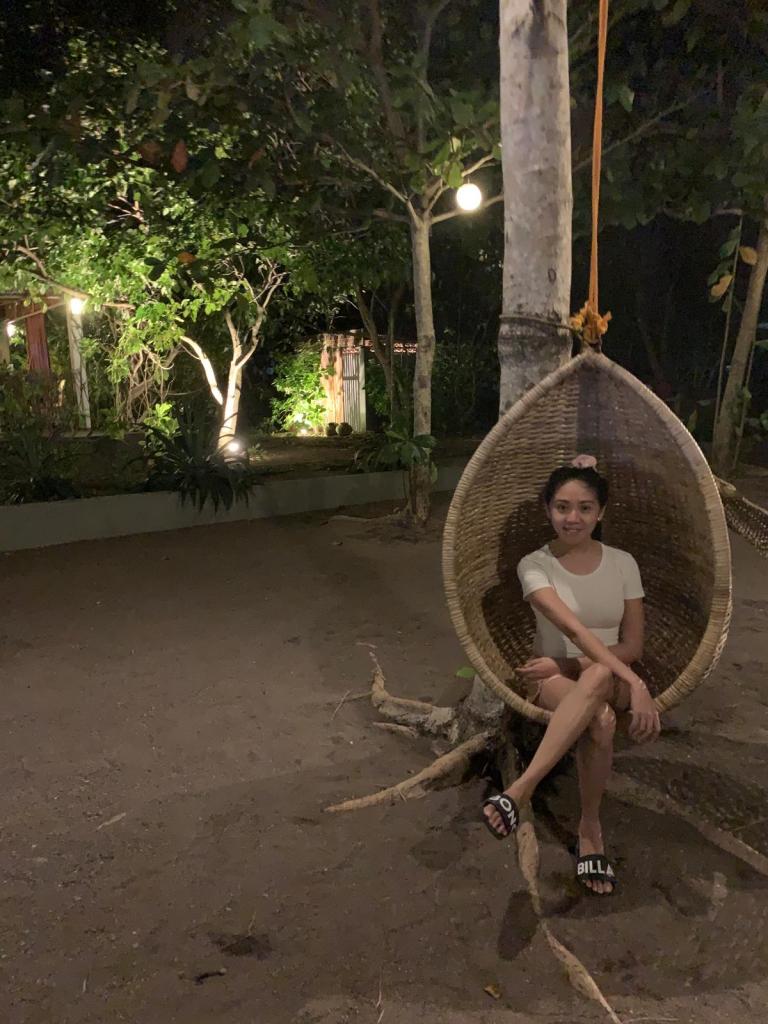
The moment I arrived in Camiguin, I felt the island’s warm embrace. I checked into Balai sa Baibai, a serene beachfront resort where I spent my nights surrounded by lush gardens and stunning sea views. After settling in, I rented a scooter—a must for anyone wanting to explore Camiguin freely and at their own pace.


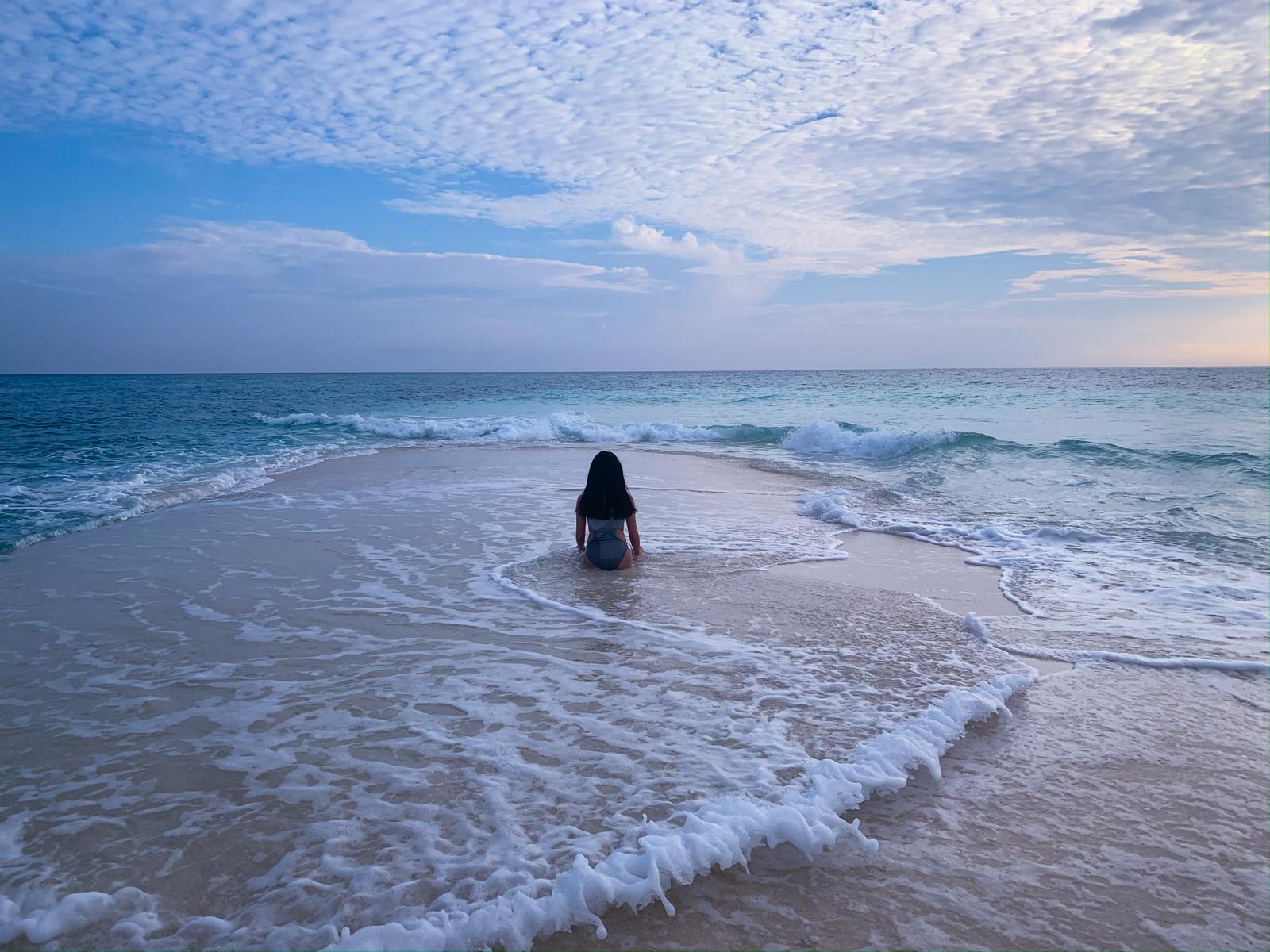
My first adventure began with a visit to White Island, an idyllic sandbar just a 10-minute boat ride from the shore. The island is a crescent-shaped stretch of powdery white sand surrounded by clear turquoise waters, with stunning views of Mt. Hibok-Hibok and Mt. Vulcan in the distance. I spent hours swimming in the crystal-clear water, enjoying the sun, and marveling at the panoramic beauty around me.

Day 2: Mantigue Island and Old Church Ruins
The next day, I set off to explore Mantigue Island, a marine sanctuary about 30 minutes away from the mainland. Mantigue is a beautiful mix of white sand beaches, clear blue waters, and a lush mangrove forest. I snorkeled in the shallow waters, where vibrant coral reefs and colorful marine life awaited me. The serenity of the island made it feel like a slice of paradise.
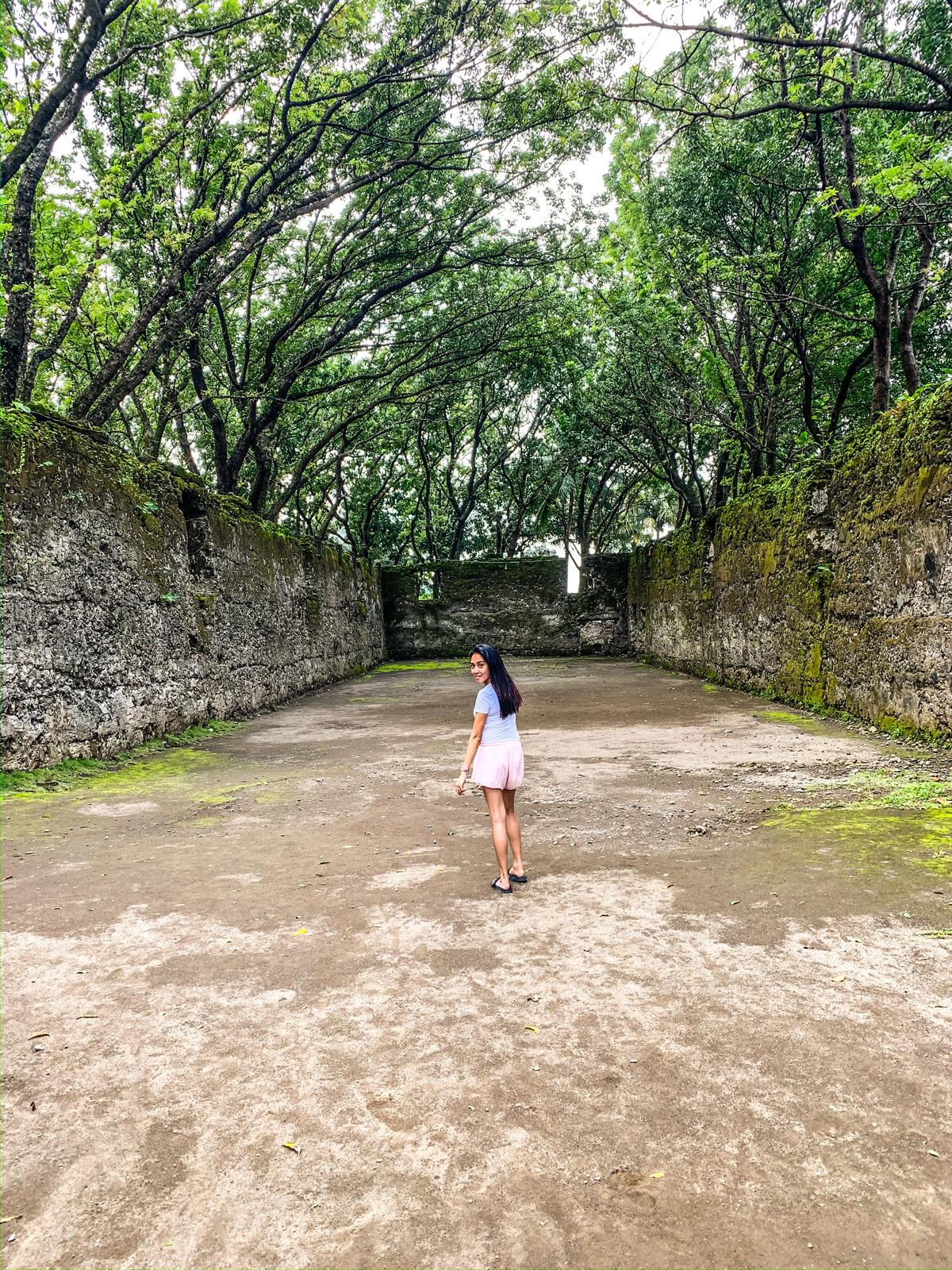
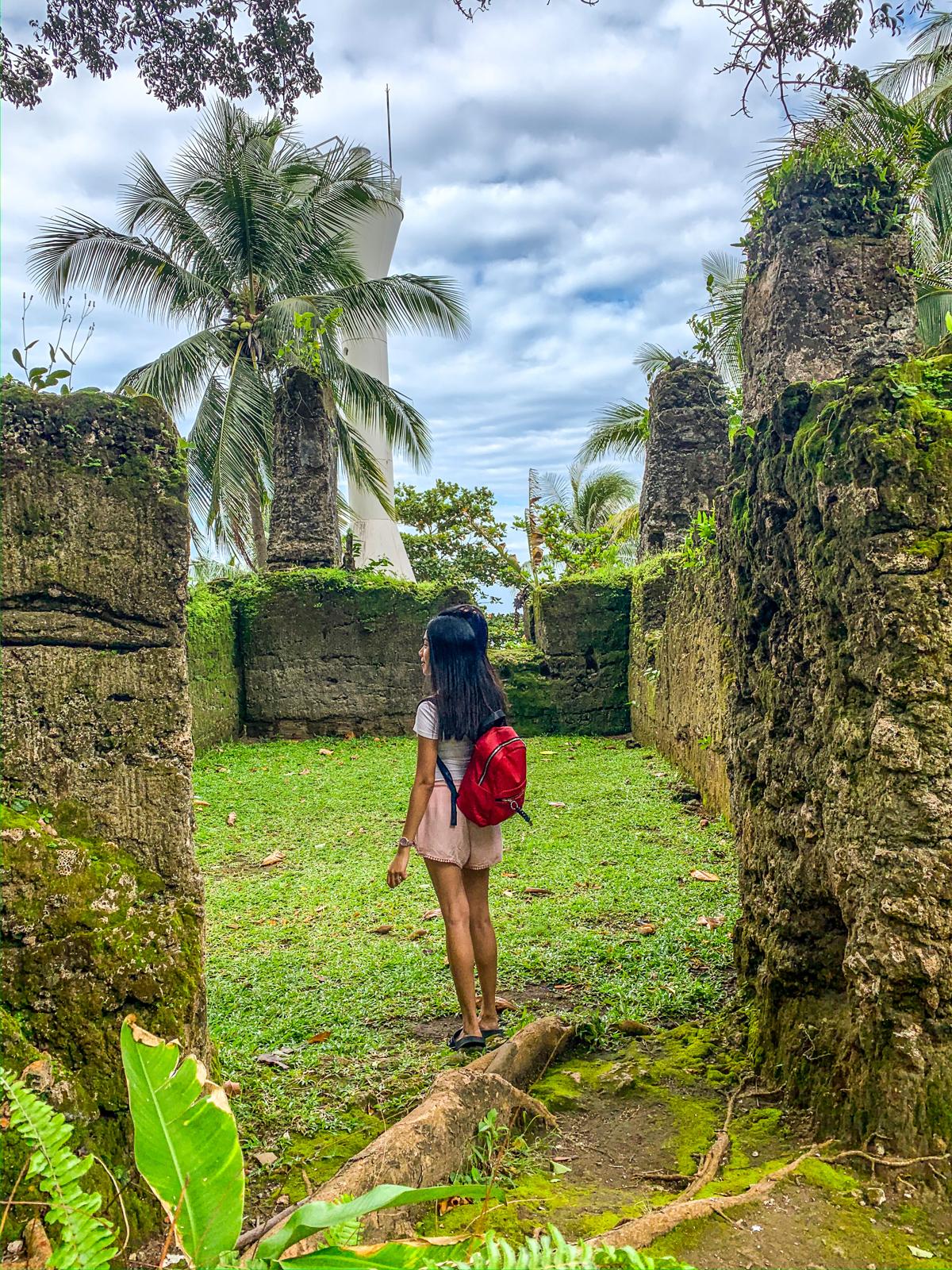
Back on the mainland, I made a stop at the Old Church Ruins in Catarman. The church, also known as the Guiob Church, was destroyed during the eruption of Mt. Vulcan in 1871. The moss-covered stone walls and towering belfry, now standing as ruins, were a powerful reminder of the island’s volcanic past. Walking through the weathered arches and listening to the echoes of history was a haunting yet beautiful experience.
Day 3: Walkway to the Old Volcano, Sunken Cemetery, and Moro Watchtower
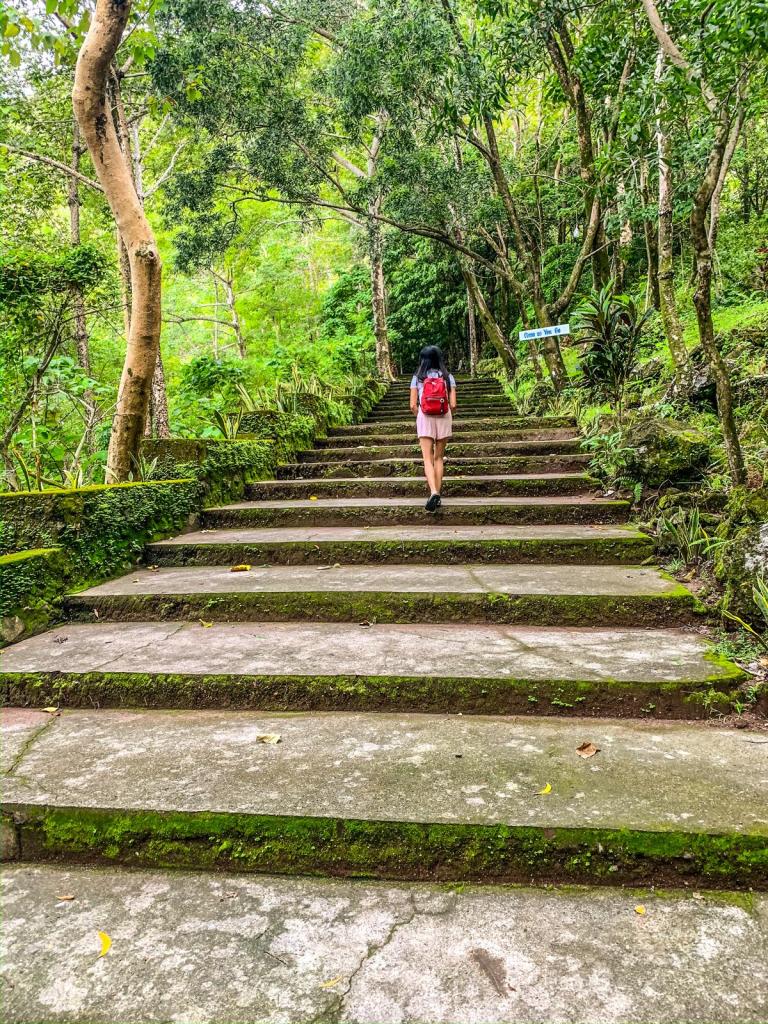
On the third day, I decided to take on the Walkway to the Old Volcano, a spiritual and scenic hike up to Mt. Vulcan. The pathway is lined with life-size statues depicting the Stations of the Cross, making it both a religious pilgrimage and a peaceful walk. As I climbed, the views of the island and the surrounding sea unfolded beautifully before me. The trek was not too challenging, and reaching the remnants of the old volcano offered a glimpse into the powerful forces that shaped Camiguin.
Next on the list was the famous Sunken Cemetery, a hauntingly beautiful site where an entire cemetery was submerged by the same eruption that destroyed the Old Church. Today, a giant cross stands in the water as a marker for the sunken graves. I took a short boat ride to the cross and marveled at the eerie beauty of the site. It was a sobering experience to imagine a town buried beneath the waves, yet still remembered by the island’s people.

Later in the afternoon, I visited the Moro Watchtower, an old Spanish fortification built to protect the island from Moro pirate attacks. Though small, the watchtower was an interesting piece of history, giving a glimpse into the island’s colonial past. From there, I could imagine guards keeping watch over the surrounding seas, guarding the island from invaders.

Day 4: Tuasan Falls and Soda Water Park
Day four brought me to the hidden treasure of Tuasan Falls, a tranquil waterfall nestled deep in the forest. The drive there on my scooter was scenic, taking me through lush greenery and winding roads. When I arrived, I was greeted by the cool, refreshing cascade of water pouring down into a serene pool. It was a peaceful spot, perfect for a swim and some quiet reflection amid nature.

From there, I ventured to the Soda Water Park, where natural soda springs flow into swimming pools. The locals say that the spring water used to have a slight fizz, though it now tastes more like fresh water. It was still a fun experience to swim in the pools, knowing that the water was sourced naturally from the volcanic depths of Camiguin.
Day 5: Ardent Hibok-Hibok Spring Resort and Local Pastries
For my last full day on the island, I decided to relax at the Ardent Hibok-Hibok Spring Resort, where hot springs are naturally heated by Mt. Hibok-Hibok. The soothing warm water was just what I needed after days of exploring. Surrounded by lush greenery, I soaked in the therapeutic pools and felt all my aches and tiredness melt away.

Before leaving, I made sure to indulge in some of Camiguin’s popular local delicacies, including the famous pastel de Camiguin, a sweet and fluffy bun filled with custard. These pastries were so delicious that I had to buy extra boxes to bring home as souvenirs!
Final Thoughts
Camiguin may be a small island, but it’s packed with incredible experiences that make it feel like a world of its own. Whether it’s the beauty of White Island and Mantigue Island, the haunting history of the Old Church Ruins and Sunken Cemetery, or the refreshing falls and hot springs, every day in Camiguin was an adventure to remember. Renting a scooter allowed me to explore at my own pace, discovering hidden gems along the way.
Camiguin’s blend of natural beauty, history, and local charm left me in awe, and I know I’ll return to this island paradise again. If you’re looking for a place where you can find adventure, relaxation, and history all in one, Camiguin should definitely be on your travel list.

 charventurous