Jeju Island, a scenic paradise in South Korea, offers visa-free entry for Filipinos, provided they take a direct flight or transit through a country that does not require a layover in Seoul or mainland Korea. After our family trip to Hong Kong, my husband and I decided to embark on a one-week adventure in Jeju.
Getting to Jeju
From Hong Kong, we opted to fly with Hong Kong Express Airlines, which was a budget-friendly choice, although additional luggage fees could increase the cost. During check-in, airport staff thoroughly checked our travel documents, including tickets, accommodation details, and proof of financial capability to travel. The flight to Jeju took approximately three hours, and upon arrival in the chilly morning of late November—the start of winter—we smoothly passed through immigration without any questions.
Car Rental & Arrival in Seongsan
After immigration, we took the free shuttle bus to the car rental location. We had booked our car with Lotte Rent-A-Car, but despite having a 10 AM pickup schedule, we had to wait for around two hours before receiving the vehicle. Once everything was settled, we drove straight to Seongsan and checked into Sungsan Woori House Pension, a simple yet clean accommodation with a friendly owner and a stunning view.
After freshening up, we took a stroll around the area, enjoying the peaceful surroundings. For lunch and dinner, we indulged in fresh seafood at nearby restaurants, fully embracing Jeju’s coastal charm. Later that night, we searched for a nearby laundromat to do our laundry, experiencing firsthand the serene and relaxing atmosphere of the town.

Day 2: Exploring Seongsan Ilchulbong Peak & Beyond
The next morning, we enjoyed a complimentary breakfast at our stay, which included a delightful selection of tangerines, varying from fresh fruit to delicious jams. Energized, we prepared for a short climb to Seongsan Ilchulbong Peak, also known as Sunrise Peak. The climb was relatively easy, offering spectacular views, and along the way, there were plenty of food stalls to grab snacks. There is an entrance fee to access the summit, but the breathtaking scenery makes it well worth it.
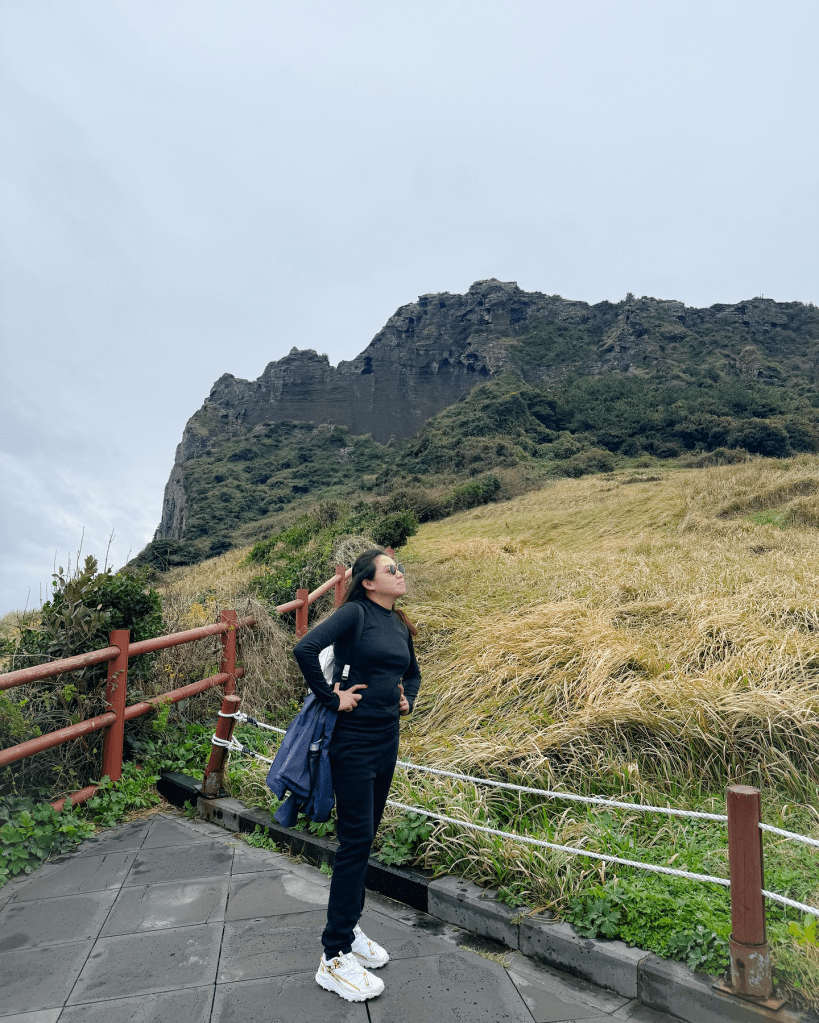
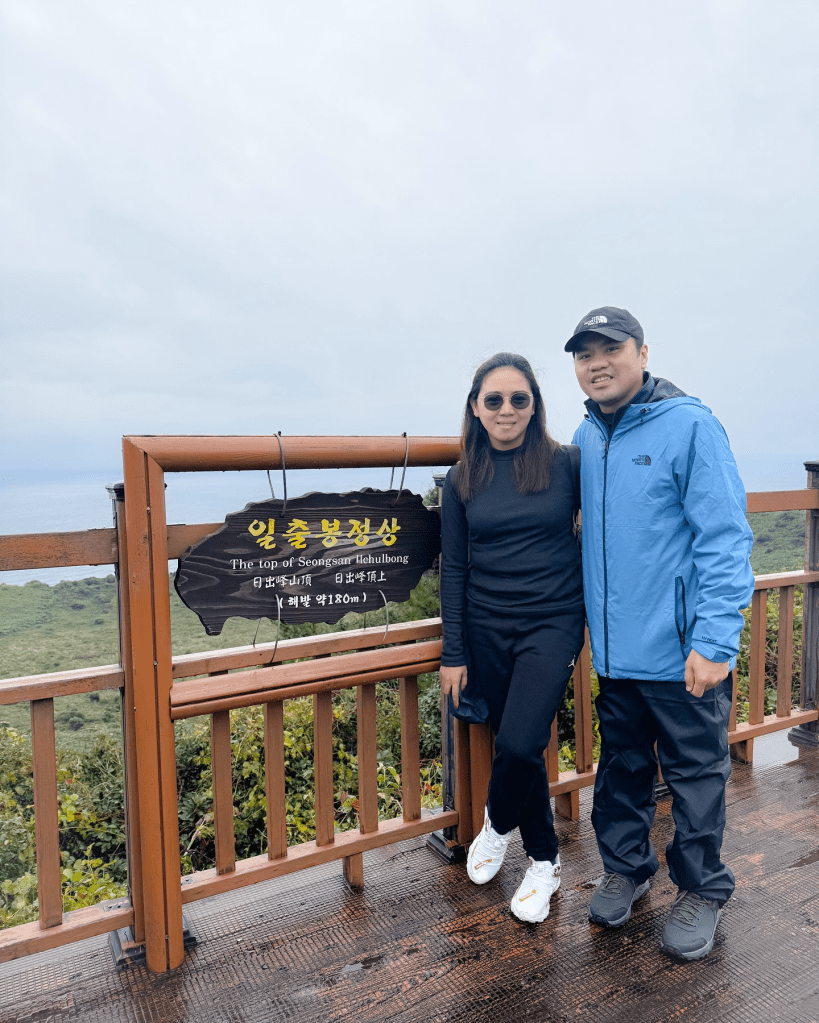

After descending, we treated ourselves to some local street food and made a quick stop at 7-Eleven to grab snacks for the day. For lunch, we tried more local delicacies before setting off on an afternoon drive to explore more of Jeju’s natural and cultural sites.
Bijarim Forest
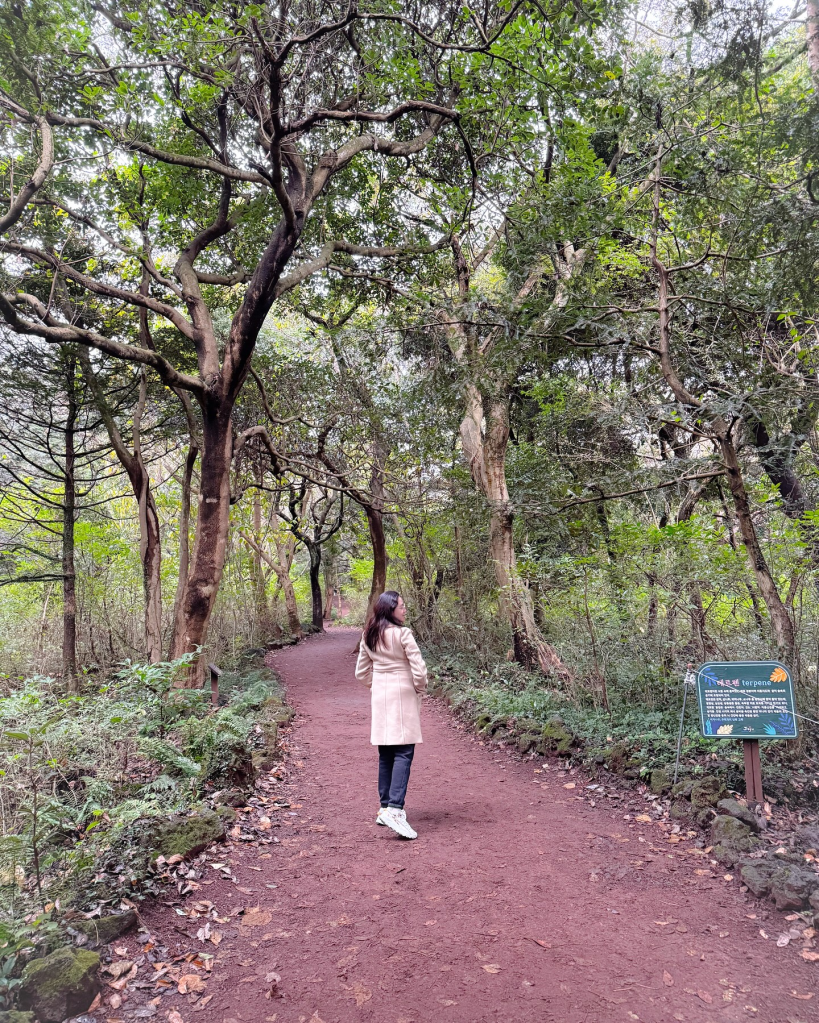
Our first stop was Bijarim Forest, a beautiful forest known for its centuries-old nutmeg trees. Walking through the dense, green pathways was a refreshing experience, offering a peaceful interaction with nature. The fresh air and quiet ambiance made it a perfect spot for a leisurely walk and some great photo opportunities.

Manjanggul Cave (Temporarily Closed)
Next, we headed to Manjanggul Cave, one of Jeju’s most famous lava tubes. Unfortunately, upon arrival, we discovered that it was closed for maintenance. It was a slight disappointment, but knowing Jeju has countless other attractions, we quickly moved on to our next stop.
Seongeup Folk Village
To get a feel for Jeju’s cultural heritage, we visited Seongeup Folk Village, a historical village showcasing traditional Jeju houses and customs. Walking through the village gave us a glimpse into the island’s past, with well-preserved homes, cultural artifacts, and friendly locals sharing stories about Jeju’s history and traditions.

A Relaxing End to the Day
After a day of exploring, we returned to our accommodation to unwind. The tranquil environment of Seongsan made it an ideal place to relax, far from the hustle and bustle of city life.
Day 3: Climbing Hallasan Mountain
The highlight of our trip was climbing Hallasan Mountain, the tallest mountain in South Korea. This was the main purpose of our visit to Jeju, and we were eager for the adventure.
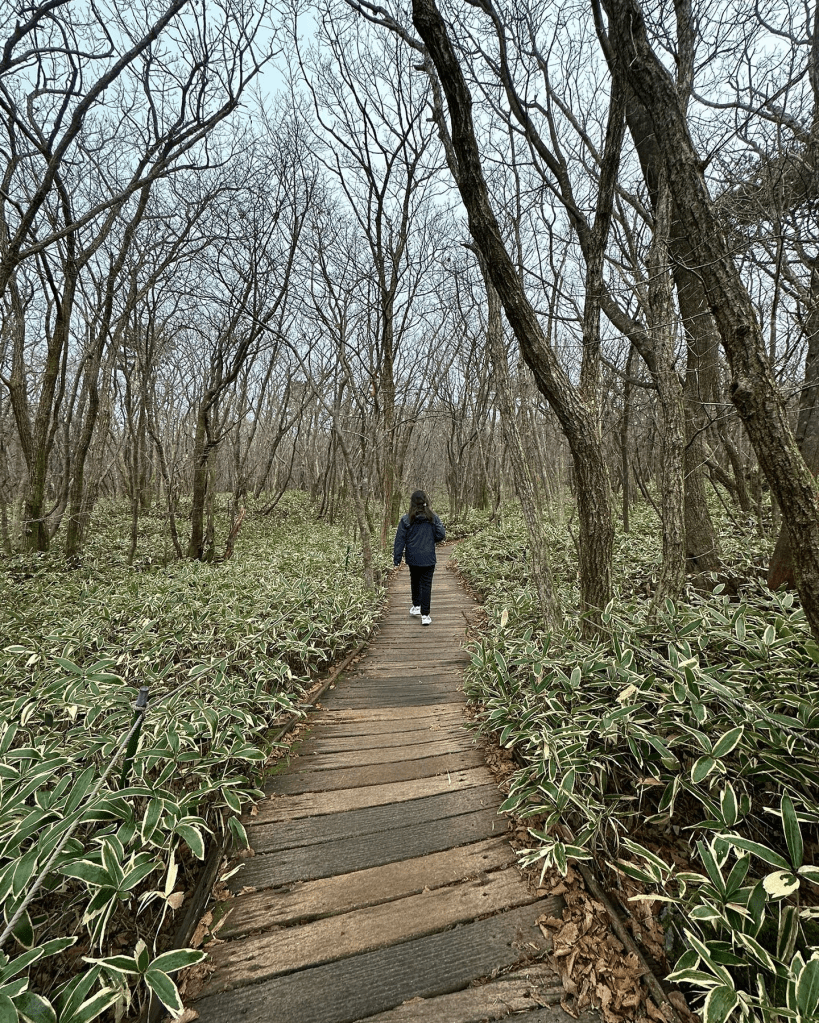
We drove to the starting point of the hike early in the morning, as parking is limited and fills up quickly. Hallasan is a one-day hike, and while most climbers complete it in 4-5 hours, we took our time and finished in about 8 hours to fully enjoy the nature surrounding us.
Before starting the climb, hikers must choose a trail. We selected the Seongpanak Trail, the longest yet easiest route. Along the way, we were surrounded by lush greenery, making the journey peaceful and refreshing. However, it is important to note that there is a time cut-off for reaching the summit, enforced for safety reasons.

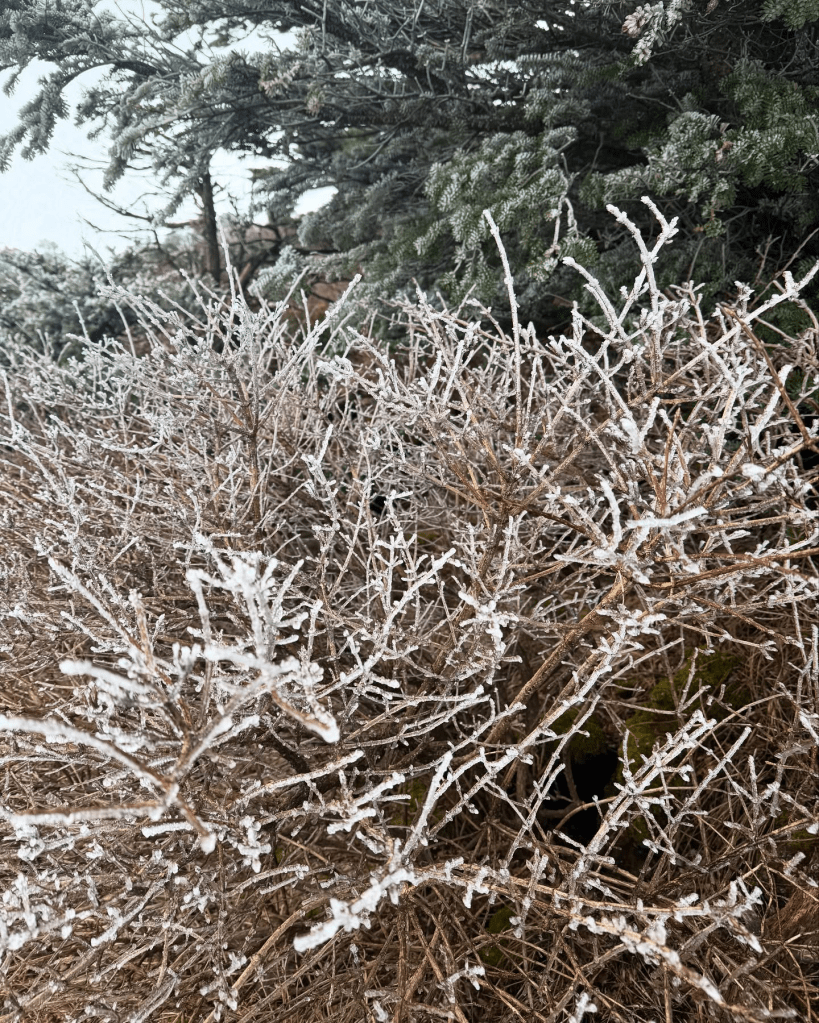
Since it was late November, the temperature at the summit was freezing. There were patches of ice on the plants, strong winds, and some slippery areas, so dressing appropriately is crucial. Hikers must also register before starting the hike, as there is a daily limit on the number of climbers allowed. Registration requires bringing a QR code and passport, which are checked before entry.
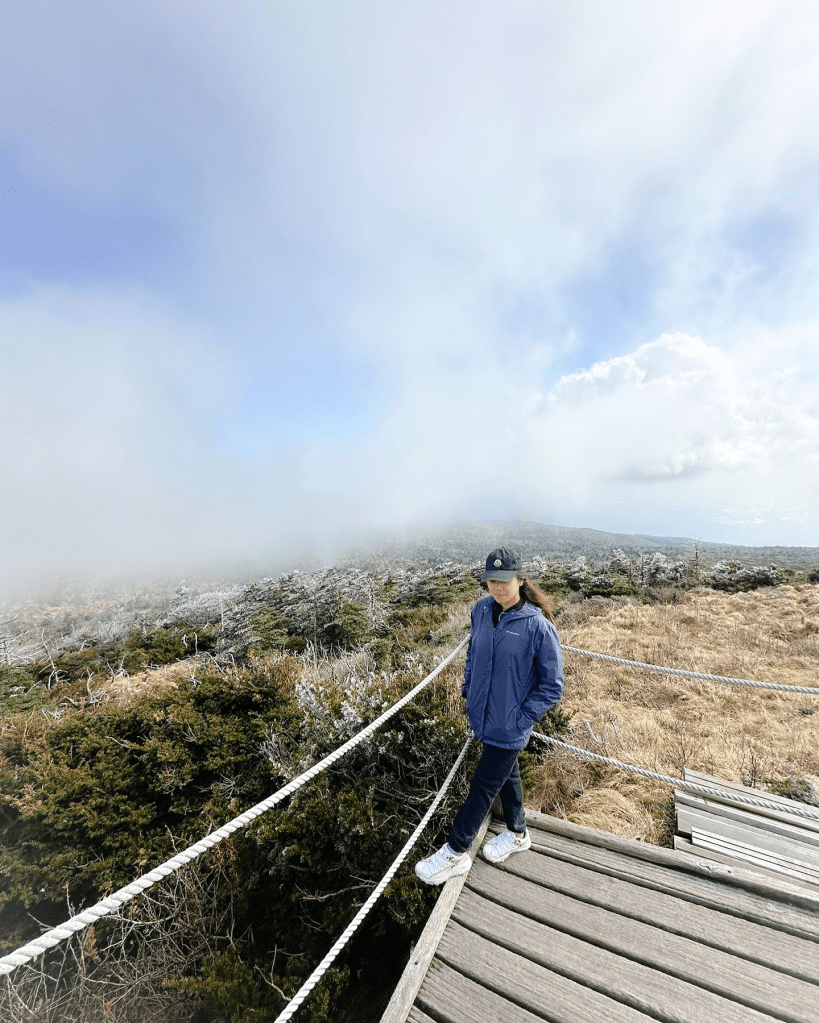
Along the trail, there are no stores, so carrying enough snacks and water is necessary. However, there are designated rest stops and toilet facilities. The climb was challenging but rewarding, and the breathtaking view from the top made every step worth it.

After our descent, we headed back to our accommodation to recover from the tiring yet fulfilling hike.
Stay tuned for the next part of our journey, where we continue to explore more of Jeju’s wonders!
 charventurous